

In today’s globalized world, mastering a foreign language is a valuable skill for work, travel, and personal growth. Thanks to technology, language learning apps make it easier than ever to practice speaking like a native.

However, among the many available apps, which ones are truly effective in helping us speak like a native speaker?
Here is a list of the best language learning apps that not only teach vocabulary and grammar but also train speaking, listening, and thinking skills like a native speaker.
-
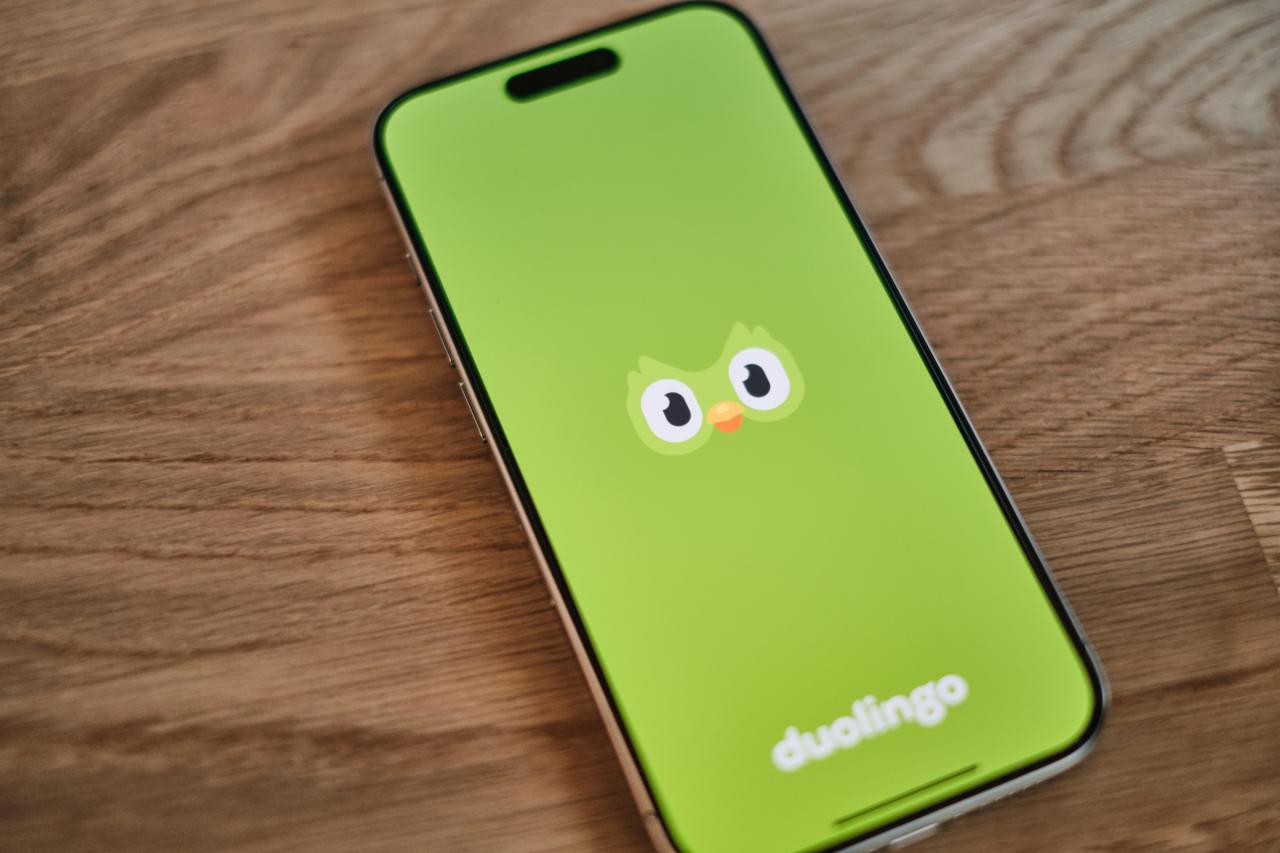
Duolingo
Duolingo is one of the most popular apps to learn a new language; it’s accessible on iOS, Android, and the web. It supports over 30 languages, including English, Spanish, Korean, Japanese, and French.
It is well known as the most popular language learning app due to its gamified approach. Each short lesson is designed to look like a game with points, lives, and levels.
While primarily focused on basic vocabulary and grammar, Duolingo has now enhanced its speaking and listening features to bring users closer to real-world conversations.
Pros:
- Attractive and easy-to-navigate interface
- It’s suitable for beginners
- You can access it for free or use the paid version to avoid ads
Cons:
- If you are at an intermediate level or higher, this app might not be suitable for you.
- Up until today, it still has limited pronunciation and speaking practice.
-
Babbel
Available on iOS, Android, and the web, today Babbel offers lessons in 14 languages, including German, Italian, Portuguese, and Russian.
This app stands out because it structures lessons based on real-life situations, such as introducing yourself, ordering food, or attending a meeting.
Speaking and listening materials are complemented by pronunciations from native speakers, which helps users understand the accent and rhythm of the language.
Pros:
- The app has a real conversation-based curriculum
- They provide concise grammar explanations
- Unlike other apps, they have pronunciation practice through speech recognition
Cons:
- The availability of the language options is still limited
- You need to pay to access the full study materials
-
Busuu
Just like other apps, Busuu is available on iOS, Android, and the web. Currently, they support 12 popular languages.
One of its key differences and advantages from its competitor is its global community feature, which allows users to submit audio or written recordings and get feedback directly from native speakers.
Busuu also has a structured curriculum that mimics formal schooling, making it a strong choice for serious learners.
Pros:
- They have an interactive conversation mode
- The user can be assessed and get feedback directly from native speakers
The curriculum is structured just like schools
Cons:
- Best features are only available in the premium paid version
- Asian languages like Korean and Japanese are not yet available
-
HelloTalk
Different from other language learning apps, HelloTalk is a user-based language exchange platform. Users can chat, make voice calls, or even video calls with native speakers of the language they’re learning.
The native speakers will help you with your language, and you can help them understand yours, too.
Pros:
- You get the chance to have an honest conversation with native speakers
- The user can get immediate corrections in chat
- Since it is a user-based app, the atmosphere is more relaxed
Cons:
- They don’t have a learning structured curriculum
- You will face a potential for interference from non-serious users
-
Pimsleur
Pimsleur is an audio-based app available on iOS, Android, and the web, offering over 50 languages to learn. Its audio-based learning method is perfect for those who enjoy learning by listening. Pimsleur emphasizes repetition, pronunciation, and in-depth listening comprehension, making it ideal for strengthening conversation and listening comprehension.
Pros:
- The app is good if you want to focus on speaking and listening
- It’s Perfect for auditory learners
Cons:
- They don’t have many visuals, therefore it is not very suitable for visual learners.
Language learning apps have changed the way we learn—they’re more flexible, interactive, and personalized.
While these apps won’t make you fluent overnight, with consistent practice and the right approach, they’re powerful tools to help you think, speak, and understand a language like a native.
Good luck!