

The COVID-19 pandemic has forced students, teachers, and lecturers to adapt to online learning. On the other hand, online learning might actually be the answer to the gaps in access, quality, and infrastructure in education—both nationally and globally.

Inequality and injustice in education are serious issues. As a result, there are disparities in school access, retention rates, and, most harmfully, learning outcomes. Generally, within each country, access to education is linked to students’ overall well-being, social origins, cultural backgrounds, languages, and, in some cases, gender.
Globally, these differences correlate with the level of regional development. This correlation stems from the lack of policies that consider equality in education as a means to achieve a fairer society. The UN notes that as many as 17 percent of children, adolescents, and youth are not enrolled in school.
Even worse, learning—the very goal of schooling—is often severely affected. For instance, 15-year-old Brazilian students would need 75 years, at the current rate of progress, to reach the average math scores of students in wealthy countries, and more than 20 years in reading proficiency.
Causes of Educational Inequality

In a blog post by Sylvia Schmelkes, Rector of Universidad Iberoamericana in Mexico City, published by the UN, she outlined several causes of educational inequality. The first is the issue of justice and equality. Although many people consider them the same, justice and equality are different.
Equality means providing the same resources to everyone, while justice means giving more to those who need it most. Countries with greater educational inequality are often those where governments distribute resources based on political pressure rather than actual need.
Another key factor in learning is teachers. Therefore, teacher training is crucial. When priorities are insufficient—whether in initial training or professional development—learning deficits are inevitable.
Next is diversity. When curricula are overloaded and uniform for all students, those from impoverished backgrounds may find the content irrelevant. Moreover, when the language of instruction is not their mother tongue, students learn far less and tend to drop out earlier.
Education is a fundamental human right. The 2030 Agenda for Sustainable Development includes Sustainable Development Goal 4 (SDG 4), which aims to ensure inclusive and equitable quality education and promote lifelong learning opportunities for all.
A total of 184 countries have committed to achieving this goal within the next decade. The journey toward this shared goal has begun—but it requires sustained momentum, especially now, before we face devastating consequences.
How EdTech Can Solve the Global Education Inequality Crisis
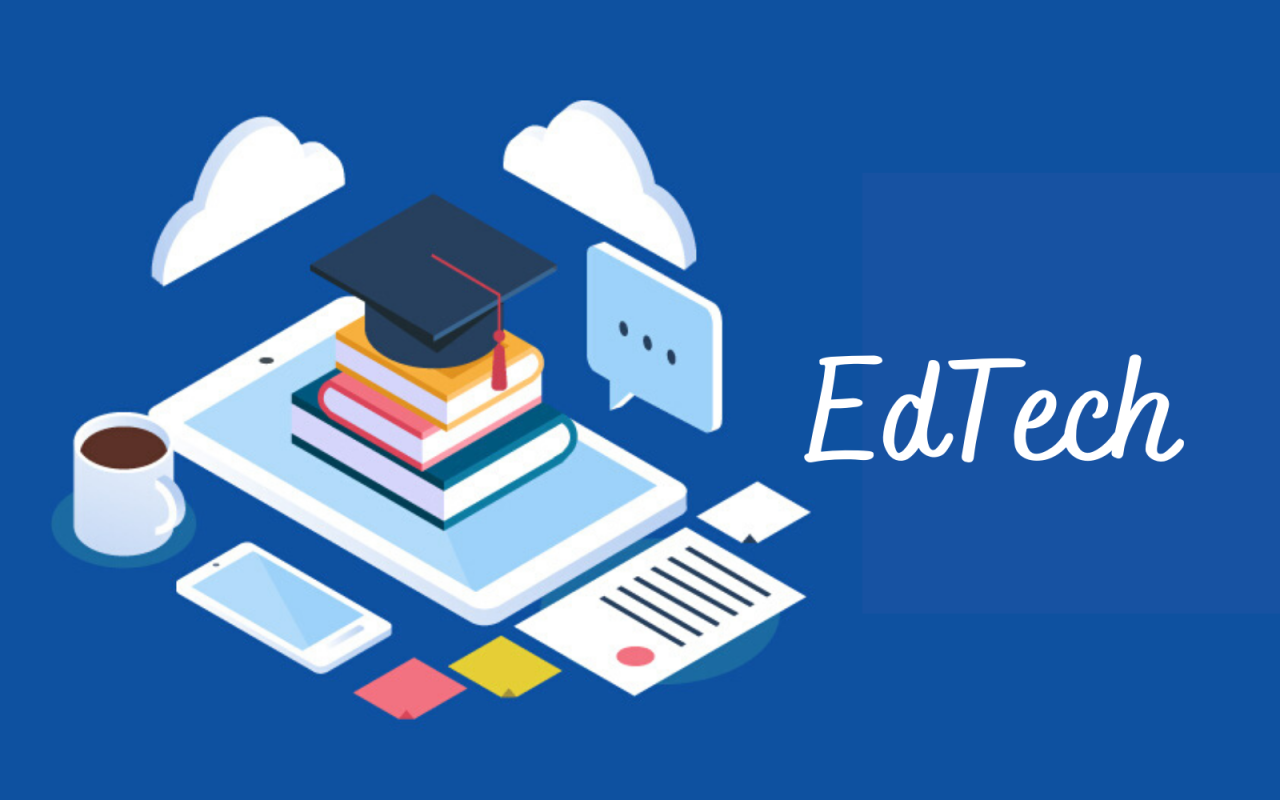
The global learning crisis and current education systems are inadequate for delivering high-quality learning on a large scale. According to UNESCO, achieving quality education as outlined in SDG 4 depends on both the opportunities and challenges brought by technology.
In fact, six out of ten SDG 4 targets are related to EdTech—the use of technology in education. Therefore, embracing digital transformation in education requires a systematic approach encompassing policy and funding, technical infrastructure, and affordable EdTech solutions.
Rebuilding the system may sound like an enormous task. However, systemic change doesn’t have to be monumental to be effective. What matters most is rethinking the system from the ground up and paying attention to every detail that can enable new, better ways of learning.
That’s why, to overcome these challenges, we must leverage technology. Even partial use of technology can improve learning outcomes. Furthermore, numerous studies show that when technology is applied thoughtfully, it can produce positive effects on educational results.
EdTech itself is a multibillion-dollar global industry. It helps students, educators, and institutions enhance teaching and learning practices. Its products include learning management systems, educational apps, online courses, and the latest AI-powered learning tools.
When the right environment and support systems are in place, EdTech can be effectively scaled holistically from one stage to another—enabling a sustainable transformation in education.