

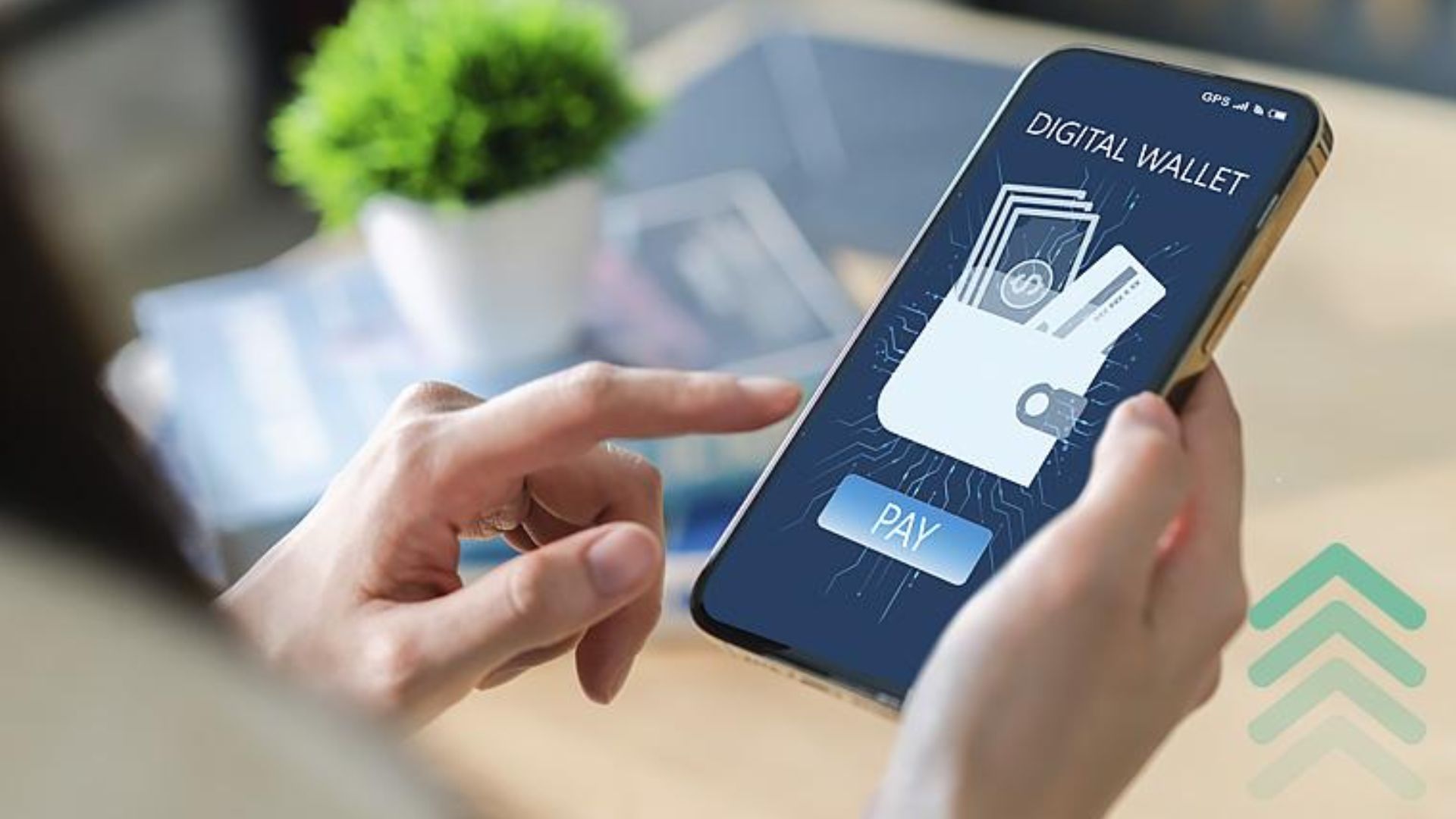

As digital financial services continue to grow rapidly, security in digital transactions has become a crucial aspect. Understanding cybersecurity risks such as phishing scams, malware, and data breaches is the first step toward protecting yourself.
While digital transactions offer convenience and speed, they also require heightened vigilance. It’s important for every individual to understand how to use digital services wisely and recognize the potential risks involved.
To minimize these risks, here are several preventive measures you can take when conducting digital transactions.
Protect Your Personal Data

The most important rule is to always safeguard your personal information — including your name, address, phone number, and other sensitive details such as your date of birth or your mother’s maiden name.
Stay alert and cautious, and avoid providing unnecessary or unsolicited personal data to unrelated parties. Always ensure that the website or application you use has a clear privacy policy and strong data protection measures.
Protecting personal data is the first key to preventing data misuse and maintaining your own security — particularly from fraud and cybercrime.
Verify All Information
Before making any digital financial transaction, consumers should verify all related information — including product details, price, quality, and warranty guarantees provided by the seller or business.
It’s also recommended to check the seller’s profile and reputation, including reviews from other customers. Make sure the website or app you’re using is trustworthy and has adequate security systems.
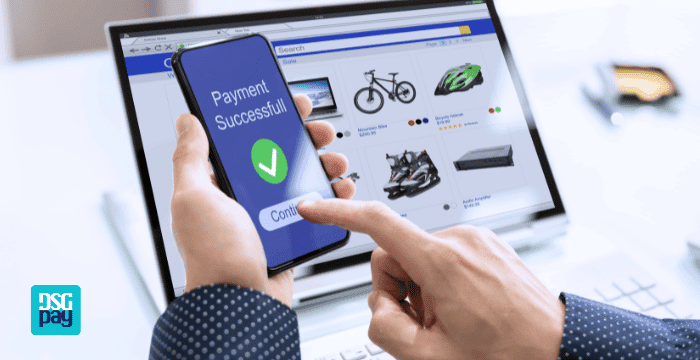
On the other hand, businesses must also perform verification, especially when processing payments. With the increasing use of cashless payment methods, there have been numerous cases of forged payment proofs.
Therefore, sellers should always confirm that the payment has been successfully received before completing the transaction and allowing the customer to leave.
Keep Transaction Records
When making digital transactions, it’s essential to save all transaction evidence, including payment receipts, chat histories, and other relevant documentation. In today’s digital world—where transactions often occur without physical contact—complete documentation serves as the only concrete proof in case of disputes or fraud.
Keeping digital transaction records is not just a precaution, but a vital consumer protection strategy to safeguard your rights.
From a business perspective, maintaining records helps prevent problems such as dishonest or irresponsible customers who request refunds after receiving their goods.
Use Secure Internet Connections
Digital financial literacy teaches us to avoid using public Wi-Fi whenever possible. Especially when performing financial transactions, because its security cannot be guaranteed. Many public Wi-Fi networks are exploited by hackers to steal personal data, often leading to financial breaches.
This is commonly known as a “man-in-the-middle” attack, where hackers intercept and read data transmitted through unsecured networks. If you must make a financial transaction in a public space, use a private internet connection instead. While public Wi-Fi may seem convenient, the risks far outweigh the benefits.
Report Suspicious Activity Immediately
If you receive a notification for a transaction you didn’t make, report it immediately to the relevant company or service provider. Never click on links sent via SMS, WhatsApp, or email, even if they appear to come from official sources.
Contact the company’s official call center to verify the information. And report any suspicious activity so it can be addressed promptly. Phishing scams like this are common—hackers often create fake links or websites that look legitimate to trick you into entering personal or login details.