


Voice recognition technology has existed since the 1950s and has evolved rapidly since its inception. Initially, it could only recognize numbers or basic verbal commands. Today, voice recognition has developed into a sophisticated technology capable of understanding context, nuance, and accent.
The presence of Siri, Google Assistant, and Duolingo has made voice recognition technology an essential part of human–technology interaction. This is not merely progress, it’s a revolution paving the way for a new era of localized innovation. And without a doubt, this innovation will continue to grow, gradually transforming the way we communicate with our devices.
Voice Recognition Technology and Its Relationship with AI
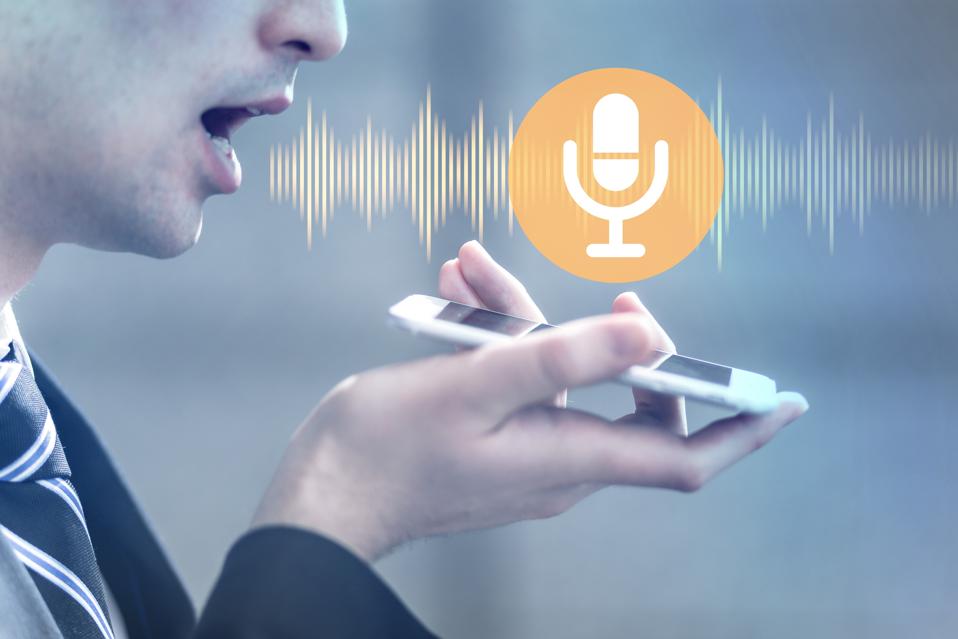
Through the use of Natural Language Processing (NLP) and deep learning methods, technologies that identify spoken words have made significant advancements. The essence of NLP lies in its ability to parse and comprehend human language, fundamentally changing how systems detect speech and respond to words.
Deep learning has taken this a step further. Particularly through Convolutional Neural Networks (CNNs) and Recurrent Neural Networks (RNNs). Which enhance both recognition accuracy and system responsiveness. These advancements are not just technical milestones; they’re reshaping daily interactions through sophisticated, voice-activated services.
With all these developments, voice identification has undergone a series of transformative evolutions. It is no longer a futuristic concept but a crucial component of the devices and services we use every day. The synergy between cloud computing and data analytics has further strengthened these systems, allowing them to process and learn from vast datasets.
The journey from text analysis to linguistic processing where written words are transformed into phonetic codes that machines can vocalize is only the beginning. The real challenge now lies in collecting diverse audio data across languages and accents to meet the growing demand for smart home devices and other voice-based applications.
The Role of Speech Recognition in Language Learning
The emergence of technologies such as speech recognition has blurred the boundaries of linguistic differences. This technology represents an extraordinary fusion of linguistics, computer science, and artificial intelligence.
In language assimilation, speech recognition continues to be a highly valuable tool. Helping individuals not only learn but also use and interact with the language in real-world contexts.
As speech recognition becomes integrated into language-learning platforms, it brings a wide range of benefits adding a new, engaging dimension to the learning experience.
From improving pronunciation practice to providing instant feedback, speech recognition software makes language learning more accessible and enjoyable.
With pronunciation training powered by speech recognition, mastering a new language becomes easier. When combined with the expertise of native speakers, it becomes an invaluable support system. Additionally, by using voice recognition tools, learners can engage in interactive pronunciation practice.
These tools actively listen, analyze speech patterns, and offer real-time corrections. Furthermore, in learning a foreign language, communication involves not only speaking but also understanding what is being said. Accurate speech recognition helps learners develop better communication skills overall.
Practical Applications and Tools
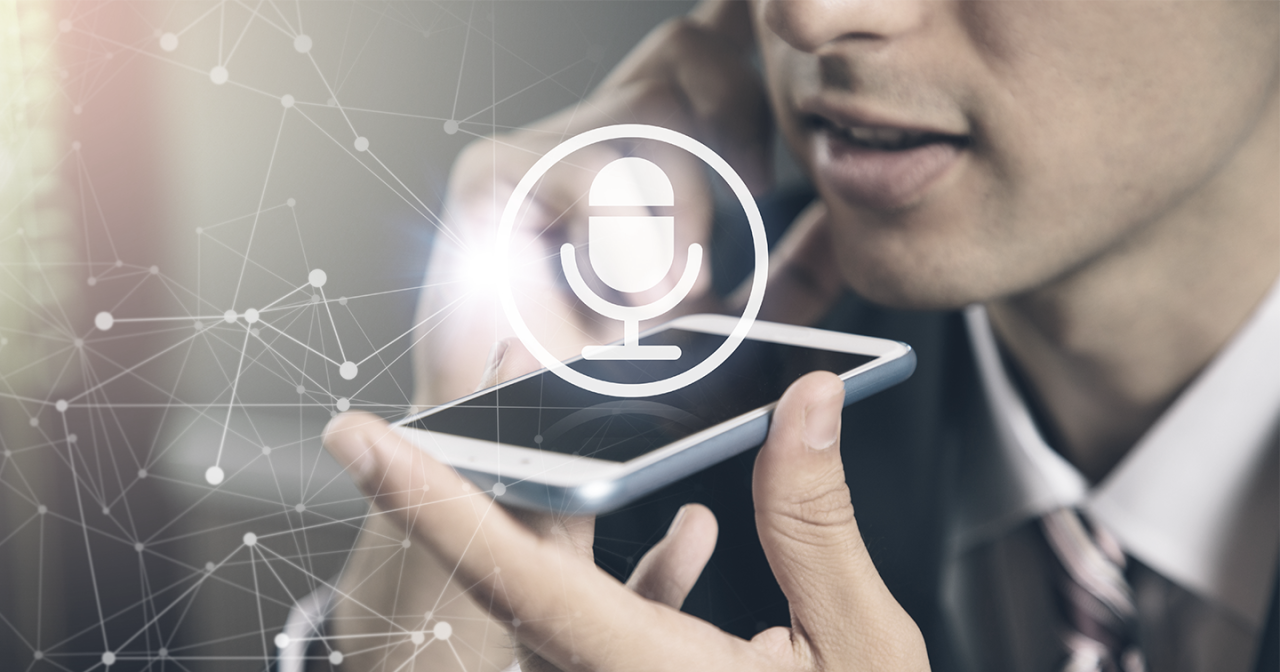
Modern technology has significantly changed the way we practice spoken language skills, shifting from traditional methods to more interactive and personalized tools.
Language-learning applications such as Duolingo, ELSA Speak, Rosetta Stone, Babbel, and Speechling have become popular choices, offering structured exercises with instant feedback on pronunciation.
Beyond dedicated apps, ubiquitous voice assistants like Google Assistant, Alexa, and Siri have become informal conversation partners, allowing learners to practice everyday dialogue spontaneously.
This technology has also entered formal classroom environments, where teachers use speech recognition tools to conduct objective speaking assessments and create interactive lessons.
At the peak of this innovation lies the emergence of AI-powered conversation bots, capable of engaging in natural, real-time dialogue—offering an immersive learning experience that closely simulates genuine human interaction.