

Light in the morning touches broken pieces early, pulling eyes away from messy desks – walls change yet silence remains. Future of learning is around us. Out of coat pockets, notes show up slowly, knocking softly like drops on dirty plates, smudging words spoken only seconds ago. Nothing stayed, how did it leave so quietly? Focus drifts, wraps around wet rags, cracked varnish on chairs long sat in, bare pegs where objects once rested, slow ideas surfacing with every repeated move. Even so, breaks grow wider these days, asking for space, softer beats, hands recalling fabric gripped for no purpose at all.


The Move Toward Adaptable Online Education
A quiet crept in, gradual, like light had drifted elsewhere on its own. When faces lifted toward glass, the faint lines across blackness faded out. Noise begins here with taps – no bird calls dropping from high limbs. Awareness appears where looking never goes – moving under urban roads in steel trains, hidden behind clothes piled loose, near cups holding only one small drink. The silence deepened as the gaze shifted. Soft voices gathered under a murmur that drifted through the rooms, echoes tucked along the edges, pulses divided like the wind. Near now, transformation nears; hands stretch toward fresh instruments when morning breaks. Staying motionless feels not like waiting, but walking backward into what came before.
Student Centered Learning

Every so often, routines shape the way folks pick up new things. Because each action is recorded, online lessons adjust pace depending on understanding, endurance, or progress made. Tasks that fit both what someone handles well and where they struggle help keep focus relaxed and smooth. As timing fits the learner’s ability, teaching blends into ordinary days – results usually rise after that.
Learning Together Through Interaction

Fast doesn’t feel strange anymore, even if it once did. Glance around, set devices down – understanding breaks into groups, each person holding part of the whole. Stuck? Try something right away, then wonder why later, mix real attempts with online steps. Speech leaps between displays, thoughts shared like notes slipped under silent elbows. Here, understanding changes without warning. Not about distance, but what grows in the gaps. Work that spans regions pulls people into shared patterns – thoughts skimming close, left unvoiced. Time twists slowly, thought narrows; speech holds weight, vision slips past the immediate. Over wide spans, tiny movements begin in silence.
Online Learning Presents Challenges
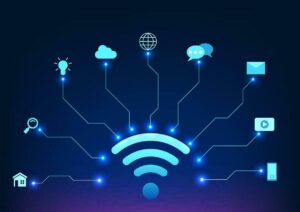
However, always having a gadget with you won’t solve every obstacle in the digital classroom. If the connection is slow or the device dies, learning will be hampered. In places where quick support is scarce, the chances of falling behind increase as morning approaches. Performing optimally through a screen forces educators to adapt, constantly move, and never rest. Packed faces in small frames change how help arrives come morning; trust thins, talk twists odd ways, routines fade before light even spreads.
Conclusion
Now and then, a person picks which devices show up in schools – small decisions, hardly seen. Growth doesn’t come from adding more gear but from how softly it fits into daily routines. Because when educators sense real backing, changes spread underground, shaped by what students really experience moment to moment. Yet frayed links break quick, openings forming before eyes catch sight. Start at any spot that feels solid. One step at a time gains strength over weeks. Straight words meet soft methods – paths open where it counts. Basic tools slide into routine without noise, leaving space for gradual shifts. Fast bursts fade; steady moves remain. Time passes. Coming back again, doing small things, builds weight by doing them often.