

Over twenty years, how folks talk and find things shifted because of online networks. Not just fun anymore – sites like Facebook, Instagram, YouTube, still hold attention, yet slipped into routines, even classrooms. Learners get chances through these tools, though problems show up too. Seeing how it shapes study time matters a lot – to teachers, moms and dads, young learners alike.

Social Media As A Tool For Learning
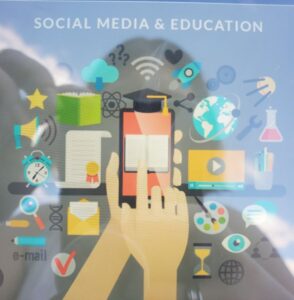
Thanks to social media, learning reaches further than ever before. Picking up new ideas becomes simpler when pupils explore material on their own time. Alongside videos showing step-by-step solutions, conversations between learners spark deeper understanding. Take how math problems come alive through quick clips viewed worldwide. When curiosity strikes, answers often wait just a click away thanks to shared knowledge across digital spaces. Instead of waiting passively, many begin guiding their growth using tools found online every day.
Improving how people talk and work together
Online networks help learners and educators talk and team up more easily. From different locations, pupils exchange thoughts, chat about tasks, while building shared work through web tools. Educators post updates, hand out lessons, give responses faster using these same channels. A looser kind of classroom takes shape, letting scholars feel linked to school life. With proper use, internet forums can improve teamwork, keeping minds active every day.
Difficulty Focusing and Managing Time

Despite its positive aspects, social media presents a challenging challenge—most notably its distraction. From notifications to chats to incessant posts, maintaining focus has become increasingly difficult for many students. Balancing schoolwork with online activities can be challenging on a daily basis. Jumping back and forth while trying to study usually means less grasp and shaky recall later. That gap points one way: handling yourself well around screens matters now more than before.
Information Quality and Digital Literacy

What also matters is how solid the facts are when pulled from social media. Online posts do not always carry truth or come from dependable places. If learners lean heavily on unchecked material, their grasp of topics might go off track. False details floating around could dull sharp analysis – especially without training in judging where info comes from. That is why knowing how to navigate digital spaces now belongs at the heart of schooling, guiding young minds to spot what holds up versus what does not.
How School Impacts Student Minds

Feelings shift when scrolling never stops, especially for young minds caught in endless feeds. Pressure builds through likes, stares, judgments – each post a quiet test of worth. Instead of focusing on schoolwork, attention drifts toward digital echoes of approval. Worries grow where real connection fades, slowly chipping at confidence. Learning suffers not because effort vanishes, but because energy leaks into unseen battles. Emotions tangled online spill quietly into classrooms, hallways, homework.
Conclusion
When it comes to student learning, social media plays a strong yet tricky role. With its reach, knowledge spreads fast – group projects grow easier, new ideas spark often. Yet attention drifts easily; false claims slip in quietly, stress sometimes follows screen time. Shutting it out isn’t the answer instead, guiding usage matters more. Learning how to navigate online spaces with care, question sources, and balance habits changes everything slowly. Schools shaping these skills help turn scrolling into something steady, useful, grounded.