
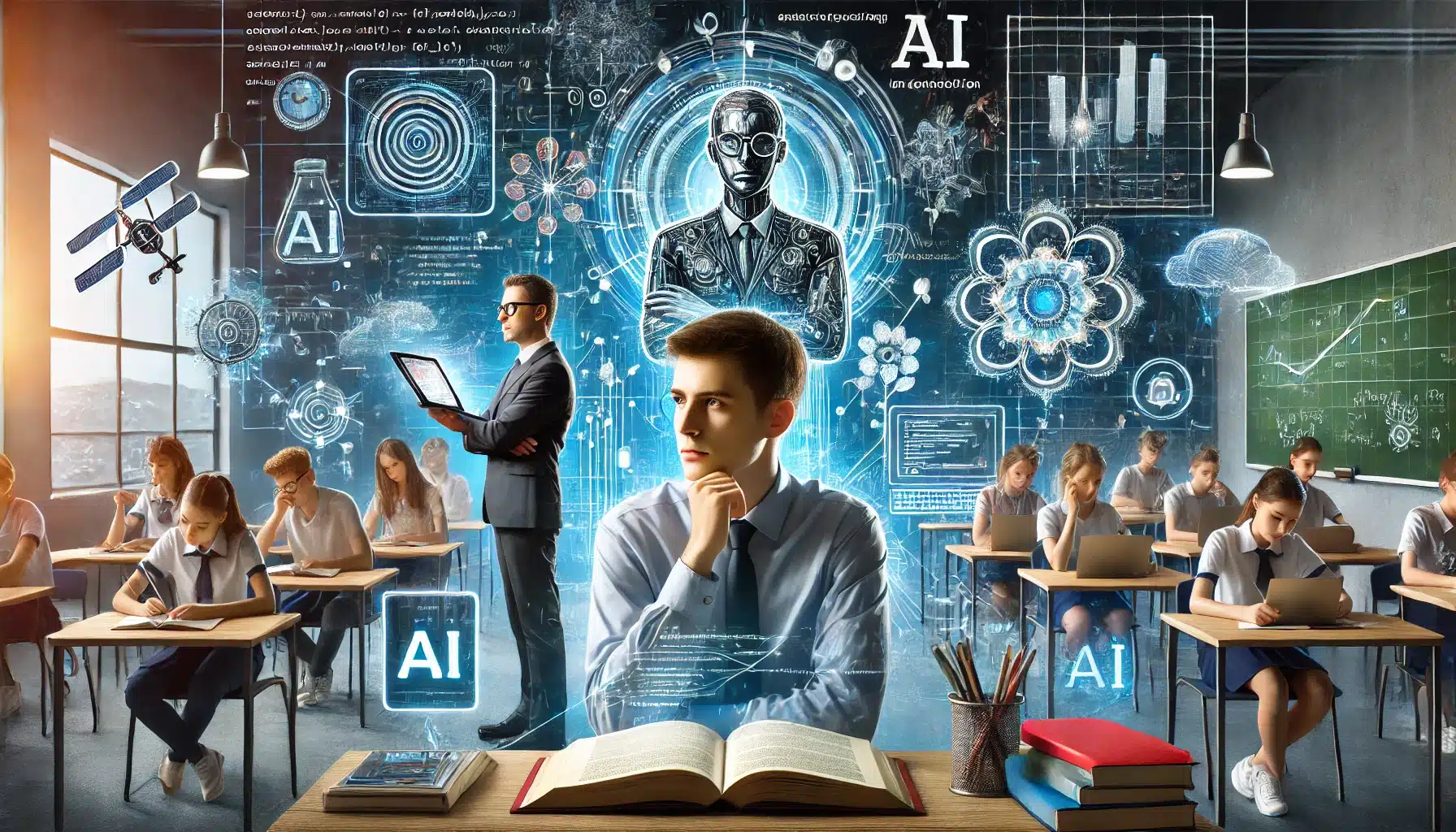
Education’s not just changing and it’s getting turned upside down. Technology isn’t hanging out in the background anymore; it’s front and center, shaping how we learn and how we see what’s possible. By 2026, AI isn’t some extra tool. It’s everywhere in schools. So really understanding AI is to know how it ticks, how it shapes our thinking, and how it nudges our choices, and just isn’t optional if you care about education.

Understanding the Meaning of AI Literacy
AI literacy isn’t about memorizing lines of code or building little robots in shop class. It’s about seeing what’s going on under the hood, knowing when to dig deeper, and figuring out how to use these tools with some real thought behind it. Sure, you need the basics. But you also need curiosity. Machines make calls for us all the time now. If you don’t understand how that happens, you’re basically flying blind.
Look at classrooms today. From AI tutors, instant feedback, apps that feel like they know your next move. It’s not enough just to use them. Students need to ask, “Why does this app say that?” or “What’s behind this answer?” That’s how you go from just using tech to actually thinking with it.
How AI Is Transforming the Learning Process
AI-powered learning is a total game-changer. These adaptive tools figure out how each student learns and adjust on the spot. Suddenly, help feels personal. Kids stay interested because it actually fits them.
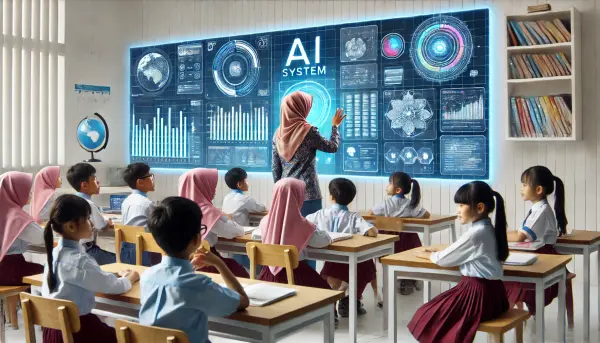
Teachers win, too. AI can sift through mountains of data and spot who’s struggling, fast. Teachers can jump in right away, before kids fall behind. So AI isn’t just making things easier, it’s also making teaching sharper and learning way more flexible.
Critical Thinking in the Age of AI
Just because AI is everywhere doesn’t mean you can switch off your brain. These systems eat up tons of data, and sometimes that data is off or flat-out biased. Students need to look at the results and ask, “Does this really make sense?”
And then there’s the ethics piece. Data privacy, bias in algorithms, and who’s responsible for what these systems do and those aren’t just fancy words. Schools need to tackle them head-on. That way, students don’t just learn to use tech. They learn to make choices that are smart and fair in a world packed with it.
Preparing for the Future Workforce

AI literacy isn’t about chasing grades. It’s about building the skills you’ll need in jobs where AI is just part of the deal. Companies want people who can work with technology, not just around it. If you understand AI and you can keep up, you’re already ahead of the game.
But let’s be real. AI can find patterns, crunch numbers, and spit out answers, but it can’t fake being human. Creativity, empathy, teamwork, all of those aspects that machines miss every time. If you can mix AI smarts with real people skills, you’re set for whatever’s coming.
Conclusion
If you want to make it in a world powered by smart tech, you’ve got to get AI. Know how it works, know how to question it, and use it with some real intention. Schools that weave AI into everyday learning give students the skills and confidence to face the future with curiosity and common sense. That’s what being ready for the digital age really looks like.