
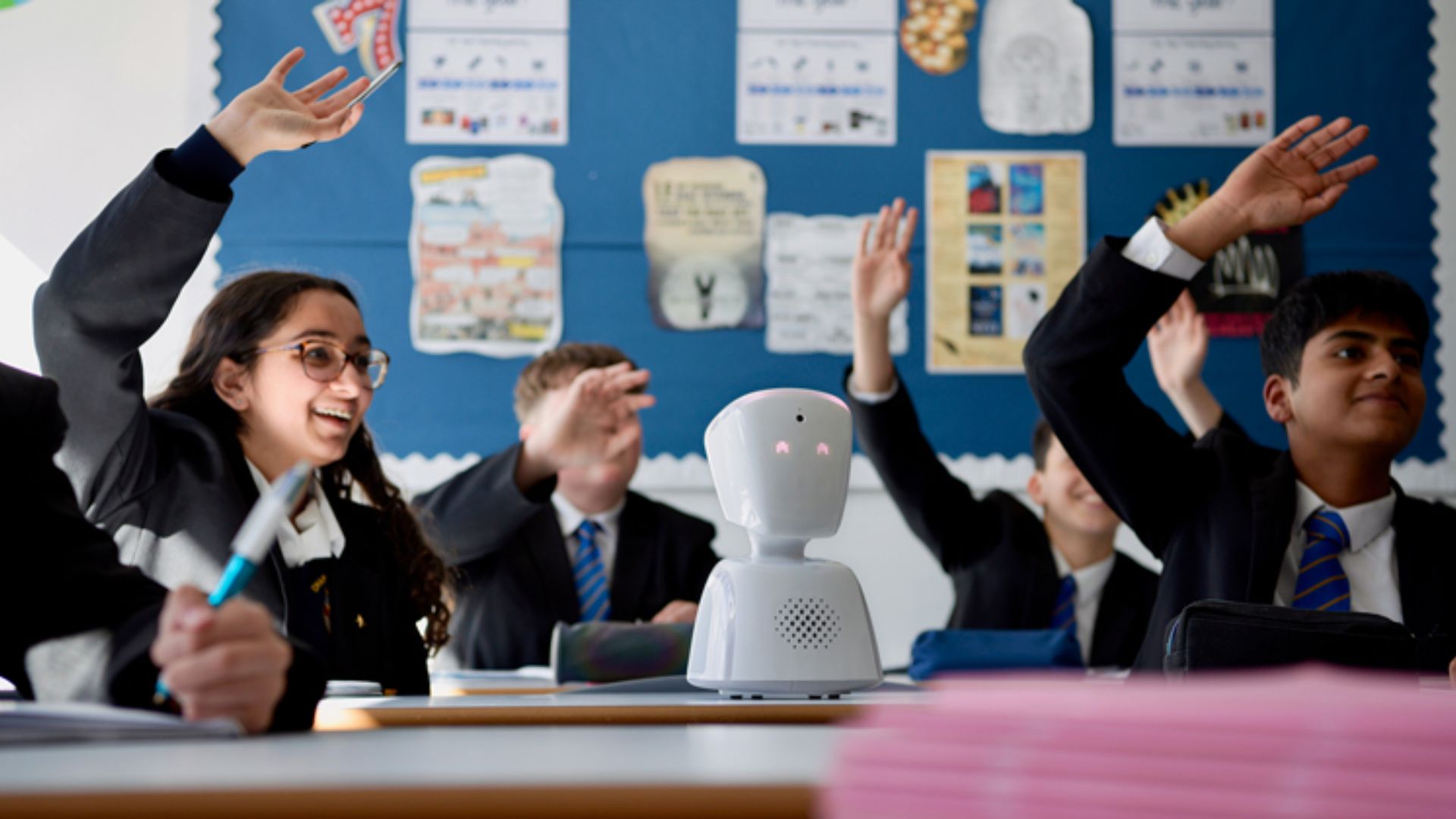

Artificial Intelligence in Education (AIED) has rapidly evolved in recent years. Information technology—especially AI—is revolutionizing modern education. AI algorithms and educational robots have become an integral part of learning management and training systems.
Numerous AIED applications have emerged. For instance, Khan Academy introduced Khanmigo, an AI tutor powered by GPT-4 that provides personalized learning support and feedback across multiple subjects. Including math, programming, and languages.
Similarly, Duolingo leverages advanced AI systems to enhance learners’ experiences. In the field of educational robotics, SoftBank Robotics’ Nao and Pepper have been developed as social robots capable of teaching languages. All these examples demonstrate how AIED is rapidly reshaping the landscape of teaching and learning.
But the question remains: as artificial intelligence enters the classroom, should teachers be worried?
The Rise of Automation in Education
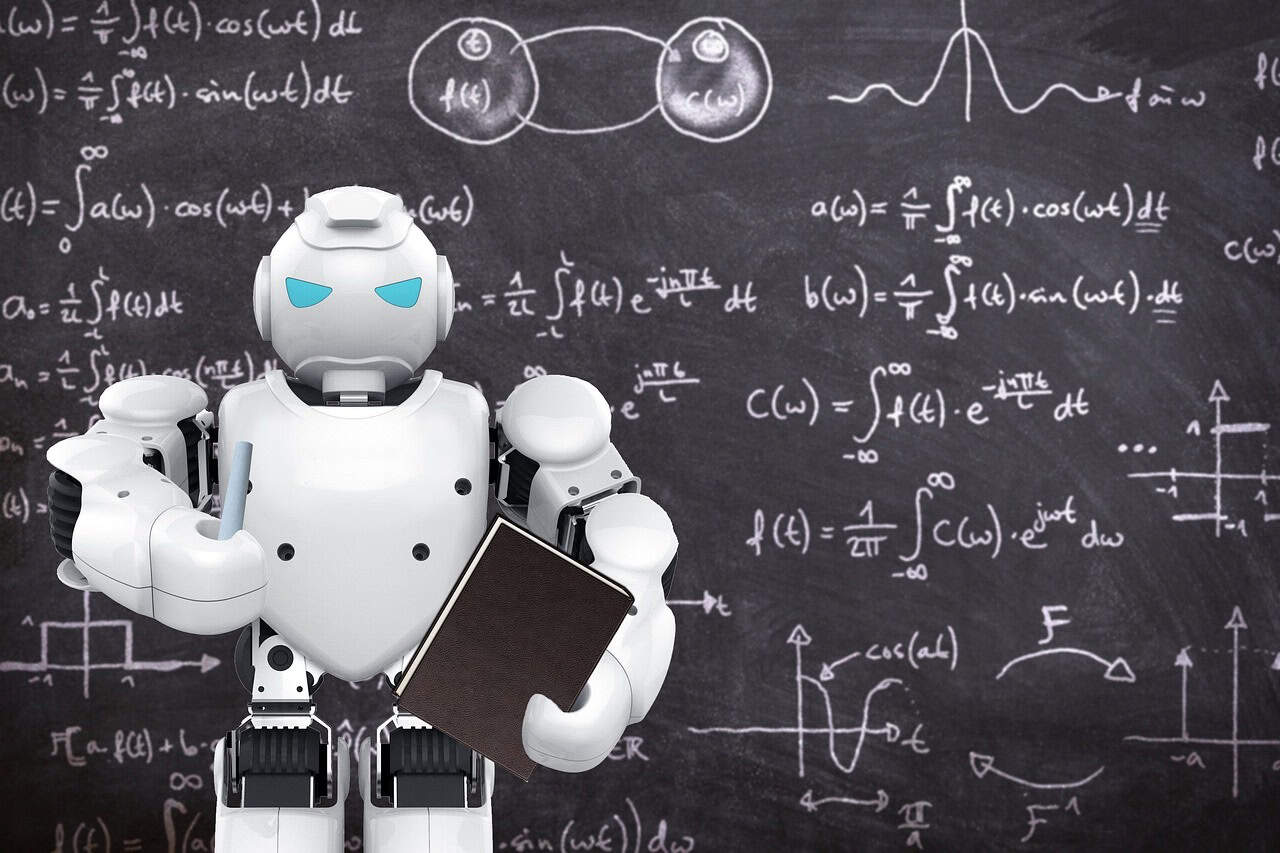
Imagine a future where every student receives personalized support and inclusive learning opportunities. In today’s fast-advancing technological world, the intersection of AI and education is no longer a distant possibility — it’s happening now.
In 2020, the World Economic Forum identified eight key transformations needed to enhance the quality of education in the Fourth Industrial Revolution. With the rise of AI, we can accelerate the adoption of Education 4.0, leveraging technology to prepare learners for a rapidly evolving world.
Through growing interest in AI and education, the Education 4.0 Alliance has been studying current conditions and future potential for technology in education. Their recent report, “Shaping the Future of Learning: The Role of AI in Education 4.0,” highlights four major ways AI supports Education 4.0:
Augmenting and automating teachers’ roles.
The global shortage of teachers presents a significant challenge. As demand for educators continues to rise, integrating AI can help simplify administrative tasks and reduce workload.
Revolutionizing assessment and analytics.
AI-based assessment tools provide valuable insights — from identifying learning trends to evaluating non-standard tests and supporting adaptive learning.
Bridging the digital skills gap.
Many education systems struggle to address the growing divide in digital literacy. AI can help prepare a future workforce ready to thrive in an AI-driven economy.
Enhancing tutoring and personalized learning.
Extensive research shows that consistent, individualized tutoring significantly improves learning outcomes — with students often outperforming 98% of their peers in traditional classroom environments.
The Human vs. Machine Debate
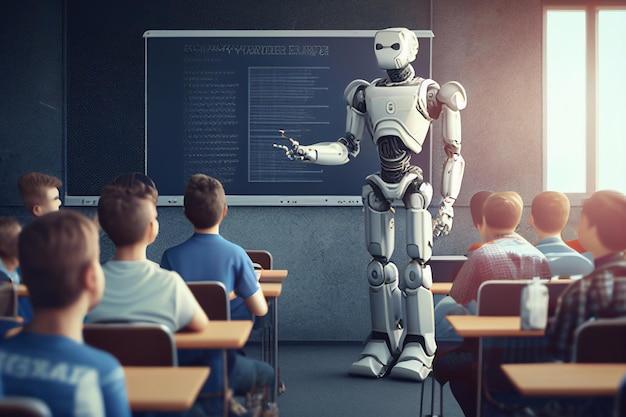
There’s a growing fear that AI could replace teachers. However, this fear may be exaggerated.
First, many believe AI could lead to job losses — but in reality, AI functions as a support tool, not a replacement. Second, AI cannot replicate the empathy, intuition, and emotional connection that human teachers provide. Third, some educators worry about losing control in the classroom, yet AI is designed to simplify work and empower teachers, not replace their authority.
Ultimately, AI will transform how students learn — not by eliminating teachers, but by improving efficiency and enhancing teaching methods.
Rather than replacing teachers, AI will replace the burdens that weigh them down. For example, AI can automatically grade assignments and provide instant feedback, saving teachers countless hours. It can also automate scheduling, attendance, and data tracking, allowing teachers to focus more on their students.
AI-powered tools can monitor student progress, track engagement, and even identify areas where learners need extra support. Moreover, AI can assist in designing lesson plans based on learning objectives, standards, and student data — simplifying preparation and improving quality.