
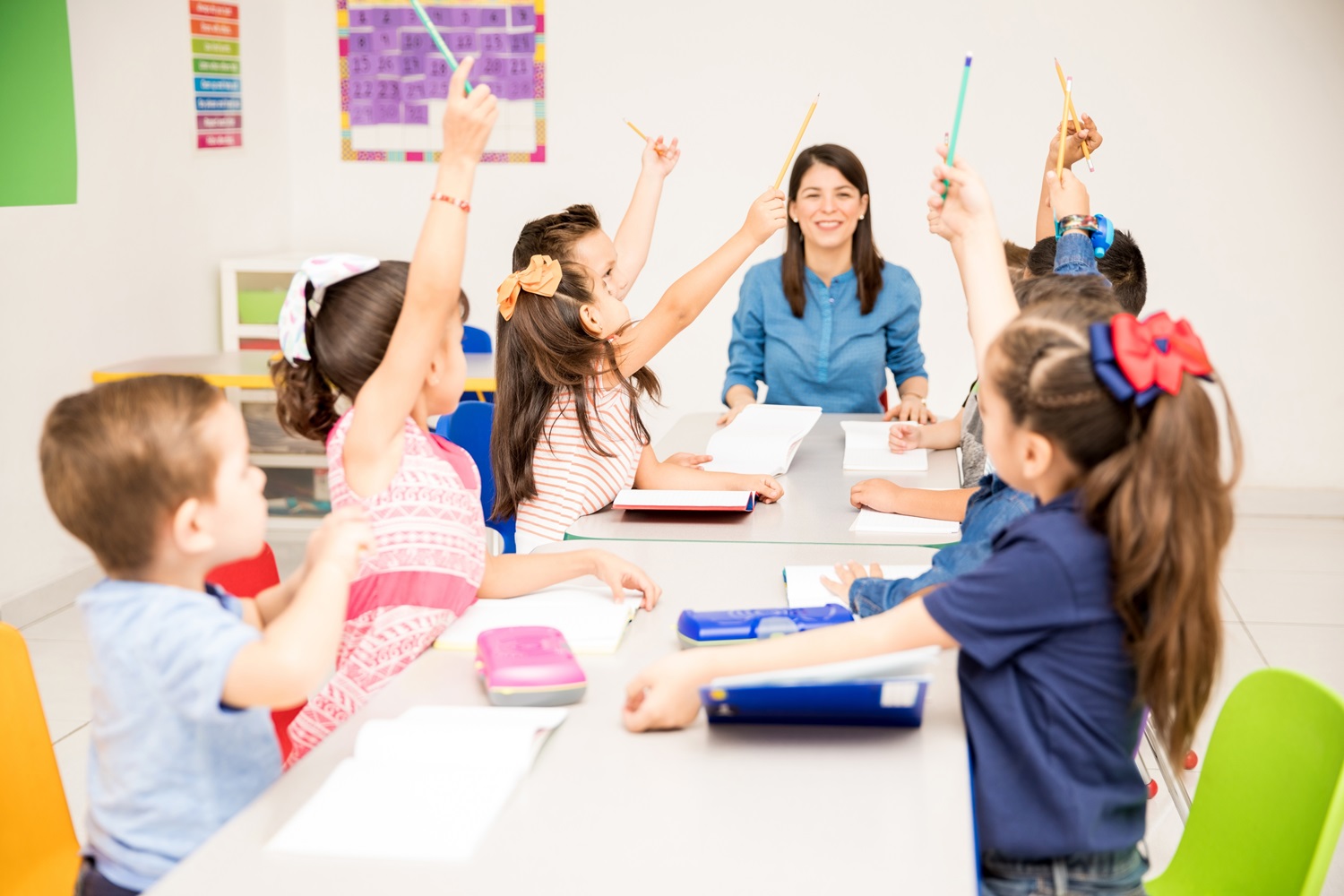
Ever feel like your class is more asleep than your phone on low battery? Teaching is much more than just delivering material – it’s the art of creating memorable and enjoyable learning experiences for your students.

In the ever-evolving world of education, teachers must master teaching materials while also creating a lively, interactive classroom atmosphere that supports each student’s growth. Therefore, teaching with joy not only makes the students happy but also increases the effectiveness of the learning process.
This article will discuss why it’s important to create a fun learning environment, as well as various creative ways to make your classroom more lively, meaningful, and yet still productive.
Why a Fun Learning Environment Matters
Comfortable and happy students tend to be more focused, more receptive to learning, and actively participate in the learning process. A study from the Harvard Graduate School of Education shows that students’ emotional engagement in learning significantly impacts their academic performance. Once the students feel happy and engaged, they are more likely to retain information, think critically, and take initiative in learning.
Furthermore, a fund learning environment also contributes to students’ mental health. Amidst the pressure of assignments and exams, a fun classroom can become a “safe space” for their growth and development.
- Build Positive Teacher-Student Relationships
The first step to a fun classroom is building a warm relationship between teacher and students. You can start the day with a warm greeting, call them by their name, and show that you care. An empathetic teacher will make students feel valued and more motivated to learn.
- Incorporate Educational Games into Lessons
Games are not only for entertainment; a right choice of play that is designed properly can be a highly effective learning tool. Some of the game examples you can use in the classroom are:
- Kahoot!: An online game used for quick and competitive quizzes
- Role-playing games: Use this for a language or history lesson
- Educational board games: Be sure to adjust them to the subject matter
Through playing games, students can improve their concentration, collaboration, and creativity. It also provides a refreshing change from conventional learning methods.
- Use Active Learning Methods
Instead of simply listening to teachers, students will be more engaged if they actively participate in the discussion.
Thus, you may try these methods to engage more with your students:
- Think-Pair-Share: Students think independently, discuss with a partner, and then share with the class.
- Gallery Walk: Students present their ideas through posters and explain it while the other students observe them.
- Classroom Debate: Very effective for social studies, language arts, and political science courses.
With these methods, students learn not only from the teacher but also from their classmates.
- Create a Visual and Interactive Classroom
A colorful classroom filled with inspirational posters made by students, a reading corner, or even a “self-expression board” can increase enthusiasm for learning. Don’t hesitate to decorate the classroom with your students to make them feel a sense of ownership and comfort.
You can also utilize technology and visual aids, such as interactive learning videos, infographics, and mind maps, or augmented reality (AR) for science and geography lessons. The use of technology may make it look complex, but it will be more engaging and understandable.
- Let Students Express Themselves Creatively
Every student is unique and has their learning style. Giving them the space to express themselves through creative projects, such as writing a personal journal, creating artwork related to the lesson, or producing an educational vlog, will foster their empathy and communication skills as they can share their stories and perspectives.
- Use Humor and Storytelling to Build Connection
Don’t be afraid to throw a joke or include relevant, funny stories during your teaching time. Humor is one of the best ways to build connections and make lessons more grounded.
Teachers’ personal stories can also serve as an emotional bridge, making the material feel more lively and relatable. However, make sure to use only relevant and appropriate jokes.
- Involve Students in Classroom Decision-Making
Be sure to involve them in the decision-making process, such as allowing them to choose project topics, assignment formats, or even create classroom rules together. This action will make them feel heard, increasing their likelihood of taking responsibility and being motivated to learn.
A creative, flexible, and empathetic teacher will create a classroom that is not only academically effective but also enjoyable and memorable for its students.
Remember, the best education is not just about the brain, but also about the heart.