


Southeast Asia is leading the charge in the reform of education in 2025. As the world becomes more digitally driven, the education sector too has undergone a significant change—led by Education Technology (EdTech). From Jakarta and Bangkok, two of the most densely populated cities on earth, to emerging digital cities in Vietnam and the Philippines, EdTech companies are reshaping the experience, consumption, and access of learning in the region.

The Rise of EdTech in Southeast Asia
There has been a recent surge of online learning portals, mobile coaching services, and AI-based education software in Southeast Asia. The reasons behind such a boom are as follows:
- Growing internet penetration
- Value-for-money handsets
- Government-led digital education initiative
- Young and tech-enabled population
As such, EdTech scale-ups and startups in this domain have been tapping not only domestic but also global investors’ attention, and EdTech is now one of the most vibrant digital verticals in the region.
Best EdTech Players Driving the Region Beyond 2025
Below is a deeper dive into some of the leading EdTech players that are transforming the landscape of learning in Southeast Asia:
1. Ruangguru (Indonesia)
Probably most well-known of all regional EdTech platforms, Ruangguru offers the entire range of services from live teaching to school learning management systems. In 2025, it has joined that list with learning paths fueled by AI, providing individualized education at a level of access that was previously unimaginable.
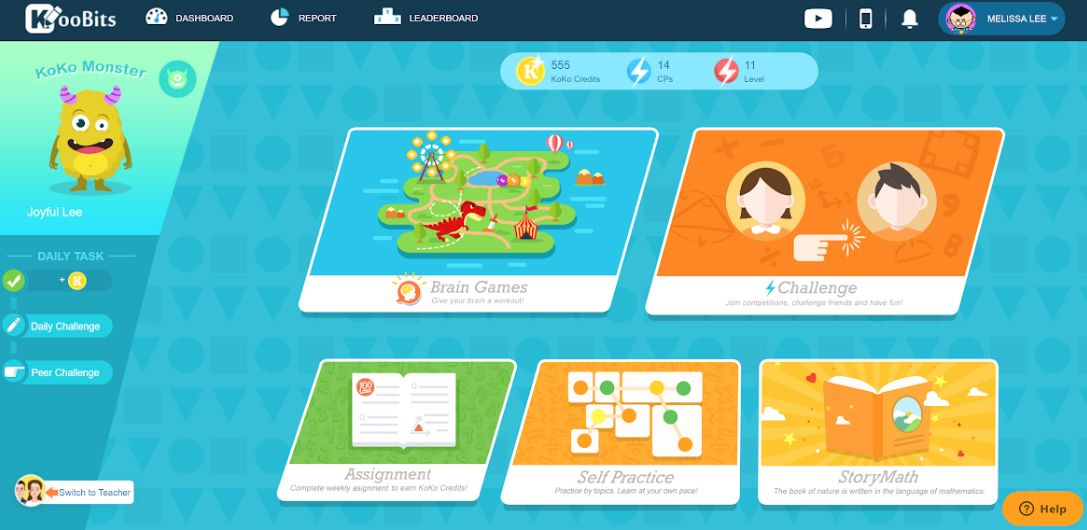
2. KooBits (Singapore)
Beginnings as a mathematics emphasis for primary schools, KooBits today is an interactive one-stop digital platform offering learning materials for all subjects. With its entertaining gamification elements, it remains very much popular across Southeast Asia.
3. CleverTap Academy (Malaysia)
CleverTap Academy, which specializes in corporate-focused upskilling programs, zeroes in on working professionals. By collaborating with universities and technology companies, it keeps its curriculum relevant and future-proofed.
4. Snapask (Hong Kong/Southeast Asia)
Snapask, based in Hong Kong, dominates Southeast Asia. Its real-time on-demand tutoring platform connects students with tutors at the touch of a button, placing academic help at the touch of a button.
5. Quipper (Philippines)
Quipper has focused strongly on K-12 online content and school partnerships, allowing schools to easily transition to hybrid learning models. Its analytics also allow teachers to track student progress with ease.
Key Trends Shaping EdTech in 2025
In order to see what the future of Southeast Asian EdTech will look like, we must consider the fast-emerging trends that are molding this dynamic industry:
AI-driven Personalized Learning:
Ed platforms are using artificial intelligence to tailor lessons in line with the progress and performance of each student.
Edutainment & Gamification:
Edutainment is ensuring learning is enjoyable and interactive by way of games, videos, and rewards aimed at early childhood and K-12 education.
Microlearning for Professionals:
Bite-sized, to-the-point lessons are what busy professionals want—so modules of microlearning are taking off.
Language Learning Apps:
Owing to globalization, English and Mandarin lesson sites are high on demand.

Challenges and Opportunities Ahead
Despite its own rapid expansion, Southeast Asia’s EdTech sector is faced with several challenges, such as:
- Inequitable access to digital infrastructure
- Privacy concerns regarding data
- Low digital literacy among teachers
But as governments, the private sector, and teachers collaborate more, opportunities for expanding access to high-quality education remain limitless.
The Future is Digital, and It’s Just Starting
The Southeast Asia EdTech ecosystem in 2025 is not just thriving but also transforming at knots’ speed. With innovation ever more converging with education, these stakeholders are laying the pillars of a more inclusive, technology-powered future of learning.
No matter whether you’re an investor, a parent, or a student, it’s time to pay attention to this space—because the classroom of the future is being constructed today.