
Lately, education on the internet has grabbed attention in most classrooms. Thanks to quicker advances in devices along with wider access to connections, learning now flows differently for many. Lessons slip past fixed walls through platforms that care less about clocks. This change helps certain learners step forward while piling new challenges onto educators, institutions, and students alike.

E-Learning Access Flexibility
Showing up matters most when learning happens online. Not living nearby, packed schedules, trouble moving around – these no longer shut anyone out. Life shapes the clock now, not the other way round, so folks hit rewind, slow down, adjust. Teaching fits into laundry breaks, lunch gaps, stillness once the dishes are done. Quietly, inclusion spreads where physical presence isn’t required. Over time, staying curious becomes routine rather than work.
One lesson at a time, learning online fits how you move through the day. Videos wait quietly while tests pop up, giving space to chase what sticks. Tough idea? Stay longer. Already clear? Slide forward without waiting. That freedom shapes better ways to think, bit by bit. Growth ties to your breath, not someone else’s timer.
The Impact of Tools on Digital Education

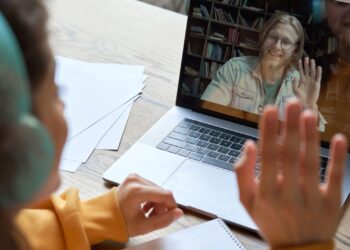
Where nights glow with screen light, studying finds new company. Not in chairs side by side, but inside chats wide awake at dawn. Voices pull across maps, stitched tight by video sound. Faces show up in small windows, teaching still breathing despite the space. Shared pages hold words dropped fast, ideas stacking without waiting. Whiteboards fill like storm clouds, thick with what comes next. Here, the conversation broadens, turning into a live debate fueled by voices from around the world. As someone shares a thought, perspectives shift—history shifts, science looks different, paint on canvas takes on deeper meaning. These things linger without warning, carried by anyone who enters late or speaks softly at first. Bonds appear slow, made of words fired off during midnight lulls. School lives inside screens now, pulsing to rhythms that twist and loop through distant dawns.
Staying Current With Digital Education
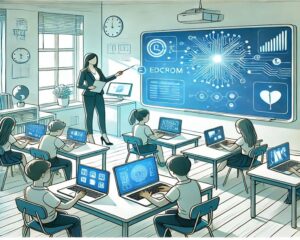
Lots of benefits come with online learning, yet it still brings real challenges. One common problem stands out – staying engaged can be hard. Without face-to-face classes, some learners begin losing touch, drifting apart from classmates and teachers both. Working far away could mean less engagement, yet it often leads to shaky outcomes. Staying focused when there is no in-person class depends heavily on managing time well, also requiring steady personal effort. Still, structure plays a role equal to motivation. Without walls around learning, discipline becomes quiet but vital.
The Gap Between Digital Access and Tech Challenges
Not everyone gets the same shot at online learning. Missing reliable internet makes a difference right away. Without the right device, keeping up becomes harder each day. A quiet place to focus – some simply do not have it. Unequal tools often lead to unequal outcomes in education. Glitches pop up now and then – flaws hiding in software, apps that misbehave – and they throw plans off track. Trouble starts when machines stop working right. Getting around digital tools can be tricky, even if you’ve used them before. Educators struggle too, especially when programs freeze or vanish mid-task. Pupils aren’t the only ones left staring at broken screens.

Keeping E-Learning Standards High
Trust kicks things off – online classes fail unless they actually deliver what people need. Good teaching takes shape well ahead of time, through careful planning and honest reviews during development. Shifting printed sheets directly onto devices never works out. Educators need fresh skills: designing engaging content, using interactive tools wisely, tracking growth fairly. Leave out these pieces? What is taught may not be on target.
In Conclusion
Early on, digital learning is enabling more people to join in, shaping their studies at their own pace. But motivation can waver, equitable reach remains uneven, and quality standards feel less stringent. Not a replacement, but a useful companion to in-person classes—that’s where online tools shine brightest. Overcome obstacles, build on successes, and education will make real progress beyond screens and desks.