

When we think of universities, what comes to mind might be grand buildings, students with their notes and backpacks, and a passion for learning.

However, did you know that universities as institutions have existed for thousands of years?
In this article, we’ll explore the history and significance of the world’s oldest university – the University of al-Qarawiyyin in Fez, Morocco – and how its legacy lives on until today.
The Birth of Universities
When asked about the oldest university, many assume European universities, such as Oxford (founded 1096) or Bologna (founded 1088), when in fact the oldest university which is still in operation until today is the University of al-Qarawiyyin, founded in 859 AD in Fez, Morocco.
Both UNESCO and Guinness World Records officially recognize this university as the oldest continuously operating university in the world.
Fatima al-Fihri, the founder of the university, is the daughter of a wealthy Tunisian merchant. Using her family’s inheritance, Fatima built a large mosque that later developed into a center for in-depth Islamic learning and eventually became a university.
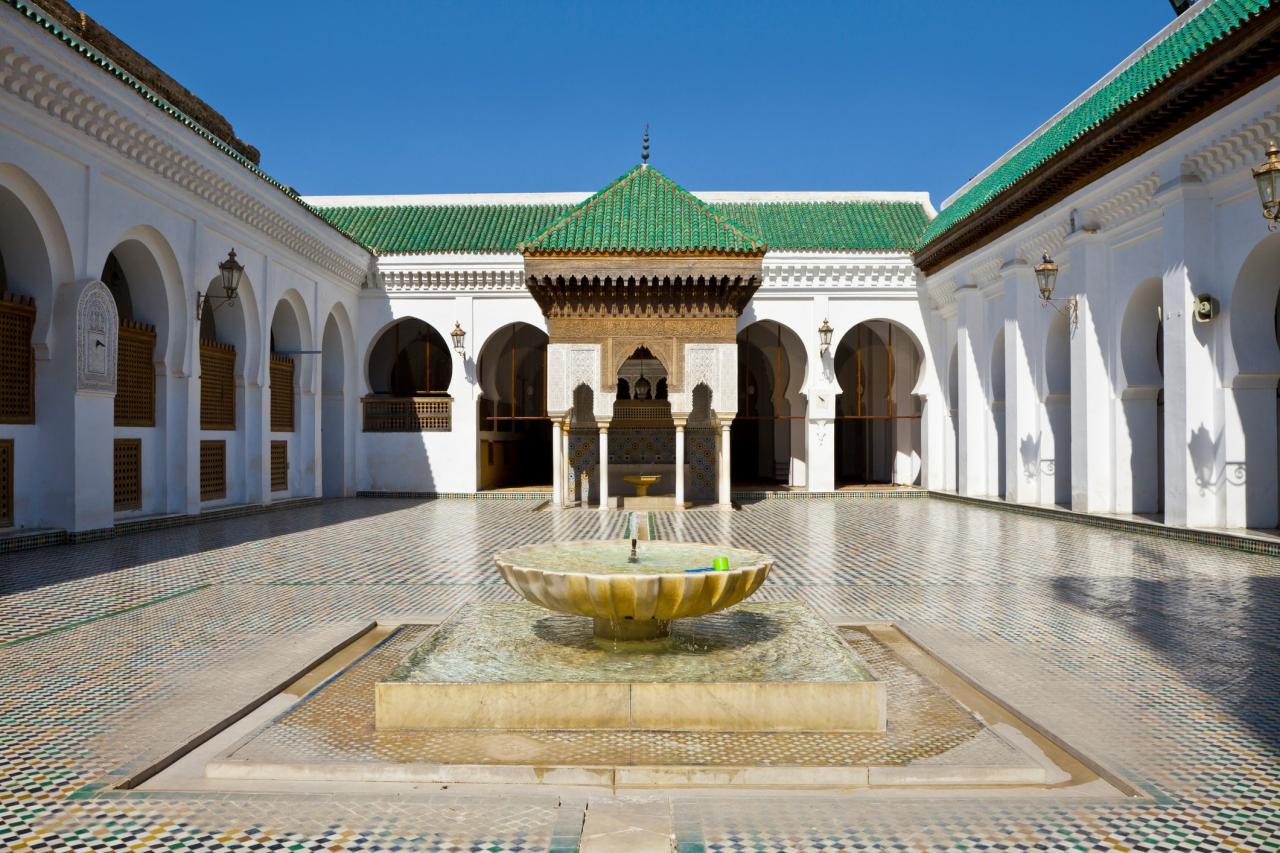
The Story Behind al-Qarawiyyin and Fatima al-Fihri
During its golden day, al-Qarawiyyin became an important intellectual center for the Islamic world. The university attracted students from all over the world, including North Africa, the Middle East, and even Europe.
The university taught a bunch of subjects including Islamic Theology and Law, mathematics, astronomy, music, and languages like Arabic and Hebrew.
Some important figures in the history like Averroes the renowned philosopher and physician from Andalusia, Maimonides the prominent Jewish thinker and Gerbert d’Aurillac who later became Pope Sylvester II is said to have studied in al-Qarawiyyin.
Unlike traditional teaching systems centered on a single teacher, al-Qarawiyyin became the pioneer in a structured learning system with a syllabus, study halls, and a degree-granting system. Later, all of those became the forerunner of the modern university system as we know it today.
Dr. George Makdisi, an expert in Islamic history from the University of Pennsylvania, states that much of the Western higher education system—including the concept of the “Chair of Studies” and the lecture—has its roots in classical Islamic traditions, as found at al-Qarawiyyin.
al-Qarawiyyin’s Influence on Modern Education
Today, al-Qarawiyyin remains a strong institution of higher learning and part of Morocco’s national education system. While the university remains deeply rooted in Islamic studies and Arabic, modernization has expanded the campus with better facilities, a broader curriculum, and international collaborations.
The university library is considered one of the oldest in the world. It was restored and reopened in 2016 and has become the house for over 4,000 rare manuscripts, including works by Ibn Khaldun and Al-Khwarizmi.
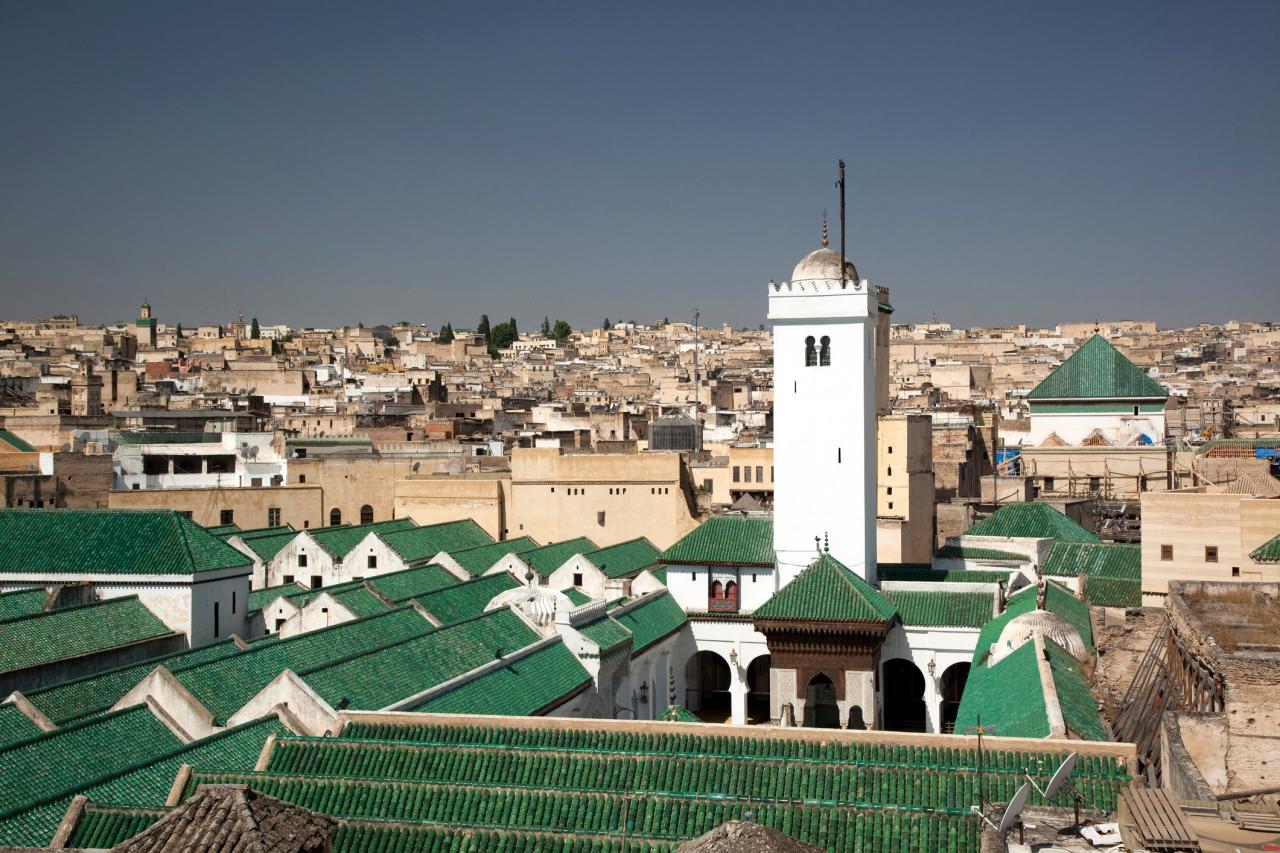
Lessons from the World’s Oldest University
-
Education is a Universal Heritage
The history of al-Qarawiyyin demonstrates that education transcends national, cultural, and religious boundaries because knowledge has always been a bridge between all civilizations.
-
Women as Pioneers
The fact that Fatima al-Fihri, a Muslim woman, founded the world’s oldest university is clear evidence that women’s contributions to education have been around for a long time. Thus, women also deserve to get the same education as men.
-
Integration Between Religious and Scientific Knowledge
In the golden age of Islam, there was no dichotomy between religious and secular knowledge. This can inspire us to view education holistically in this era.
Al-Qarawiyyin University is more than just a historic building, but a symbol of humanity’s long journey in the pursuit of knowledge.
From the lecture halls of Fez to campuses across the globe, the spirit of knowledge seeded by al-Qarawiyyin continues to inspire generations. By appreciating the roots of education, we can better value its role in building a more enlightened future.