

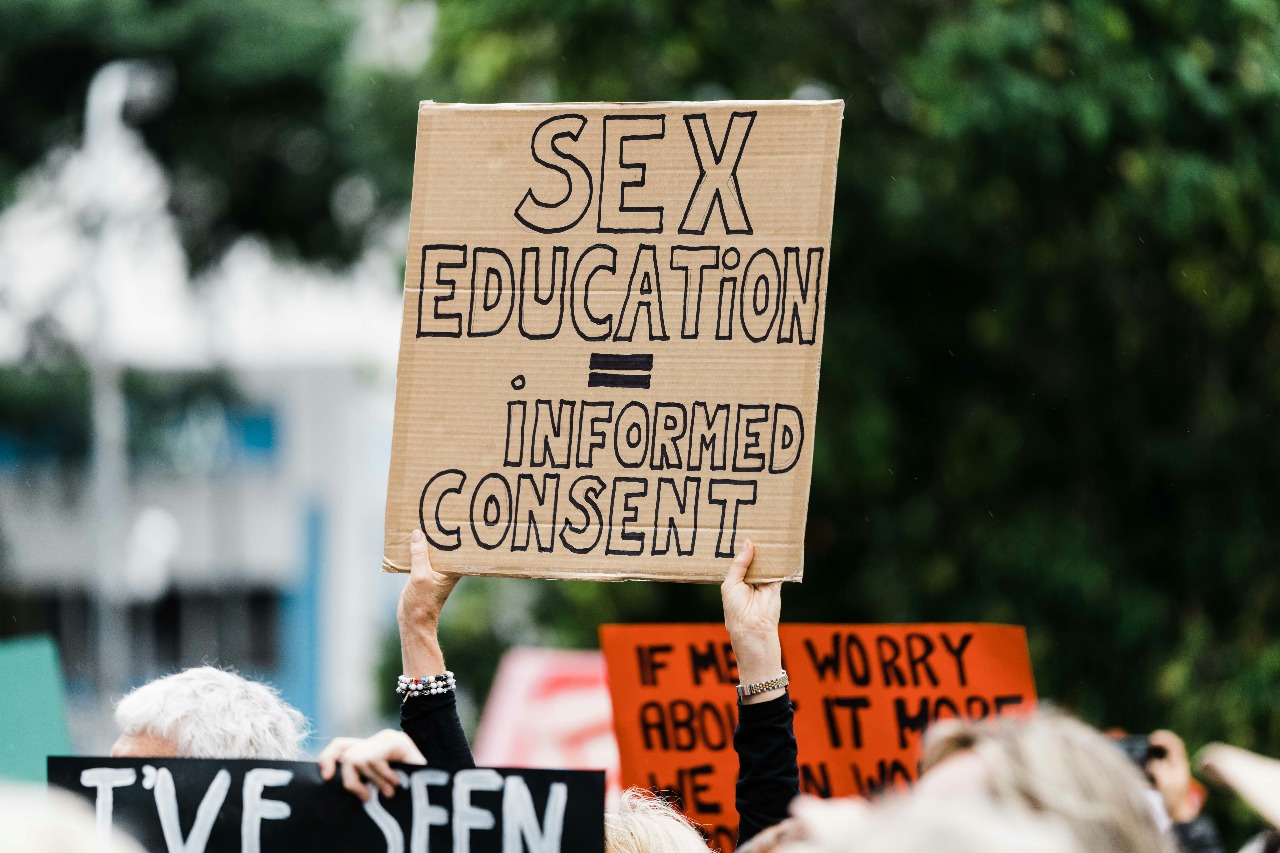
Why is sex education still controversial in the 21st century? Even in a hyper-connected, data-rich world, debates around comprehensive sex education continue to divide nations, communities, and classrooms.

Often at the heart of the controversy are competing forces: cultural and religious values versus the public health needs of young people.
Sex education is the area of controversy in policy-making circles, schools, and even among family members because it challenges the priorities of cultural values and religion against the interests of the population.
Even though evidence supports the fact that comprehensive sex education can solve many issues related to teen pregnancy and sexually transmitted diseases, the disparity in attitude regarding the use of comprehensive sex education between liberal and conservative nations is extreme.
Progressive Models: What We Can Learn from the Netherlands
The Netherlands is known as one of the countries with the most progressive approaches to sex education. From the age of 4, children in the Netherlands begin to receive an introduction to relationships, the body, and respect for others.
This program, known as “Lang leve de liefde” (Living Love) is designed to encourage children to understand personal boundaries, consent, and healthy relationships early on.
According to Rutgers, a Dutch non-profit organization that focuses on sexual and reproductive health, this approach is not just about sex, but about communication, emotions, and responsibility.
“We don’t teach children how to have sex, but how to build healthy and respectful relationships,” explained Christine Bakker, a spokesperson for Rutgers.
The result? The Netherlands has one of the lowest rates of teenage pregnancy and HIV infection in the world.
Research from the Guttmacher Institute suggests that countries with similar approaches to sex education have adolescents who start sexual relationships at a more mature age and are more responsible in their sexual practices.
Conservative Resistance in Africa and the Middle East
In contrast, many countries in Africa and the Middle East adopt a very conservative approach. In some countries, sex education is even banned or severely restricted.
Existing curricula often cover only biological and reproductive aspects, with an emphasis on abstinence and morality, rather than a thorough understanding of sexuality.
In Nigeria, for example, a sex education program designed by the United Nations Population Fund (UNFPA) was met with excellent resistance from religious groups. “This kind of curriculum is considered contrary to the Islamic and Christian values that dominate our society,” said Imam Musa Danjuma, a spiritual leader in Abuja, in an interview with The Guardian Nigeria (2023).
This is the case in many Middle Eastern countries. In Egypt, for example, the discussion of sex in schools is minimal.
A report by Human Rights Watch states that teenagers there are often not given accurate information about their bodies, let alone about contraception or sexually transmitted diseases.
As a result, unplanned pregnancy rates and the spread of HIV among young people remain high.
The Consequences of Educational Inequality
This difference in approach has a tangible impact on the younger generation. Countries with open and comprehensive sex education tend to have sexually and emotionally healthier adolescent populations.
In contrast, the lack of information and stigma towards sex in conservative countries often leads to ignorance, shame, and health risks.
“When we don’t teach young people about their bodies and sexuality properly, we leave them in the dark, and that’s dangerous,” stressed Dr. Tlaleng Mofokeng, the UN special rapporteur on physical and mental health rights, in an interview with the BBC.
She emphasized that sex education is not about encouraging sexual activity, but equipping young people with the knowledge to make safe and informed decisions.
Towards Inclusive Sex Education
The United Nations and WHO have consistently promoted comprehensive sex education that is based on rights, science, and the values of inclusivity. However, the implementation of these policies is highly dependent on the socio-political and cultural context of each country.
The challenge ahead is how to bridge traditional values with modern information needs that can save lives and the future of young people. As globalization and information mobility expand, the pressure for conservative countries to adopt a more open and scientific approach to sex education will grow stronger.
In an increasingly connected world, maintaining a balance between local norms and the right to accurate information is key to creating a healthy, resilient, and respectful generation.